SEO and Social Marketing
Fabweb SEO Engineers and Social Marketeers
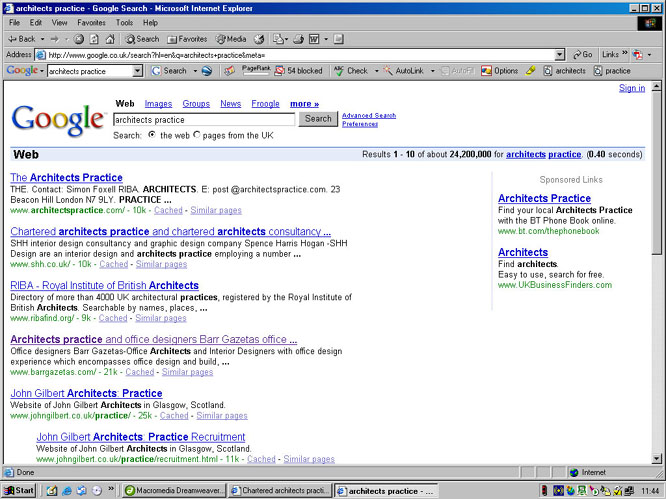
SEO stands for Search Engine Optimisation. It’s a process of optimising your website and its content to improve its visibility and ranking in search engine results pages (SERPs). The goal of SEO is to increase organic (non-paid) traffic to your website by making it more relevant and authoritative in the eyes of search engines like Google, Bing, and Yahoo.
Search engine optimization, or SEO, is the process of increasing organic search engine rankings to build awareness, capture demand, and drive qualified traffic to your website.
To win at organic search, you need to understand many complex concepts, including keyword research, backlinks, and how Google’s algorithms treat page experience and trust signals. Search engine optimisation is one of the most complicated channels you can leverage. But it’s also the most powerful.
SEO helps you reach your audience when they’re actively seeking answers, solutions, or products. In other words, you can influence your audience when they’re most receptive to your message.
Search engine optimisation also ensures your brand is authentically present throughout the entire customer journey, not just at the bottom. As a result, you’ll amplify brand awareness and build trust while delivering exceptional value.
The benefits of a holistic SEO strategy go far beyond traffic.
You can use organic search to increase conversions, generate leads, protect brand reputation, increase market share, amplify word-of-mouth, and boost ecommerce sales. It’s also an excellent way to deepen customer relationships. Furthermore, organic search is one of the most cost-effective marketing channels for traffic and new customer acquisition.
Google states that the average ROI on organic search is 5.3X versus just 2X from paid search. Plus, it’s the ONLY channel that accrues value over time.
Put it all together, and you can see why SEO is one of the most effective digital marketing channels for producing exceptional marketing ROI.
SEO involves various techniques and strategies, including:
Keyword Research: Identifying the keywords and phrases your target audience is using to search for information related to your website’s content.
On-Page Optimization: Optimizing individual web pages to make them more search engine-friendly. This includes optimizing meta tags (title tags, meta descriptions), headings, URL structure, and content.
Off-Page Optimization: Building backlinks from other reputable websites to improve your website’s authority and credibility in the eyes of search engines. This also includes social media engagement and online reputation management.
Technical SEO: Optimizing technical aspects of your website, such as site speed, mobile-friendliness, crawlability, and site architecture, to ensure it is easily accessible and indexable by search engine bots.
Content Creation: Creating high-quality, relevant, and engaging content that addresses the needs and interests of your target audience. This can include blog posts, articles, videos, infographics, and more.
User Experience (UX): Ensuring that your website provides a positive user experience by optimizing for ease of navigation, readability, and accessibility across devices.
Analytics and Monitoring: Using tools like Google Analytics and Google Search Console to track website traffic, measure the effectiveness of SEO efforts, and make data-driven decisions for optimization.
Companies use social media marketing to build brand awareness, improve branding, boost audience engagement, and nurture relationships.
Social media platforms are a critical digital marketing channel for building customer relationships because your audience naturally shares their thoughts and feelings. These networks also facilitate constructive dialogue (sometimes in real-time) between brands and their customers, or potential customers.
But should you have a presence on Instagram or Pinterest? What about Twitter, Facebook, LinkedIn or other niche platforms?
Users have certain expectations when they visit specific social media platforms, and they use each network differently. For example, they share certain types of media (images, video, etc.), or post about different topics (i.e., conversations and sharing, imagery-focused, UGC-focused, video, etc.).
Furthermore, social media platforms, attract different demographics. So understand which networks your audience prefers.
Overall, SEO is a critical aspect of digital marketing that helps businesses improve their online visibility, attract more qualified traffic, and ultimately, drive conversions and revenue.