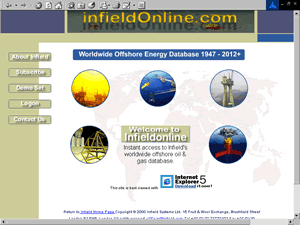
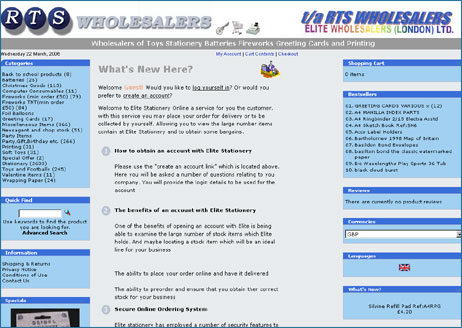
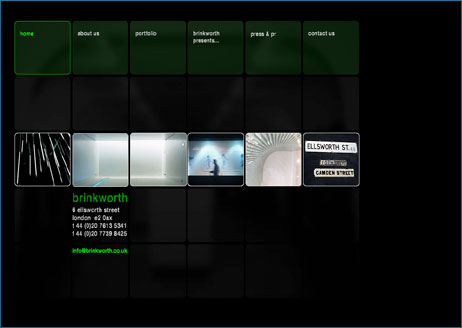
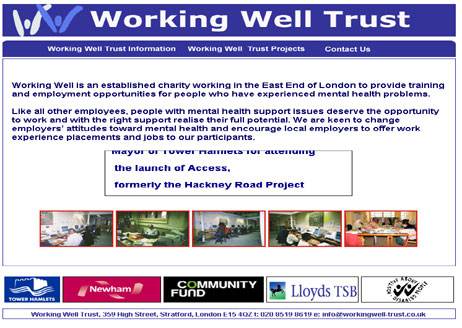
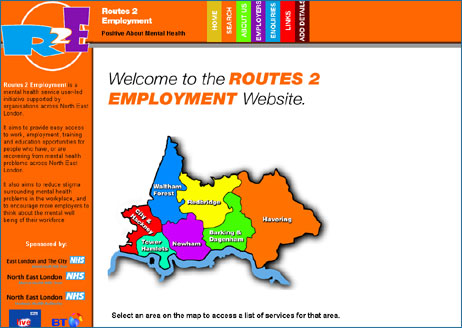
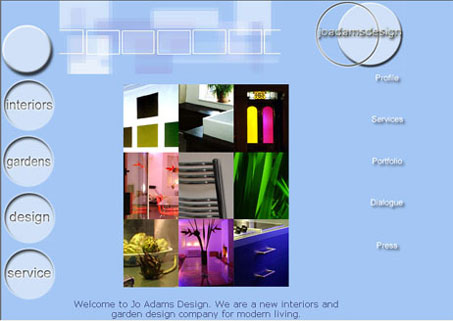
Web design refers to the process of creating and designing the visual appearance and layout of websites. It involves various elements, including layout, color scheme, typography, imagery, and user interface (UI) design, with the goal of providing an engaging and intuitive user experience.
Layout: The arrangement of elements on a webpage, including headers, navigation menus, content sections, and footers. A well-organized layout helps users navigate the website easily and find the information they’re looking for efficiently.
Color Scheme: The selection of colors used throughout the website, which can influence the overall mood, brand identity, and readability. A cohesive color scheme enhances visual appeal and reinforces branding.
Typography: The choice of fonts, font sizes, and font styles used for text content on the website. Typography plays a crucial role in readability and conveying the tone and personality of the brand.
Imagery: The use of photos, illustrations, icons, and other visual elements to enhance the aesthetic appeal and communicate messages effectively. High-quality imagery can captivate users and make the website more engaging.
Responsive Design: Designing websites to be accessible and functional across various devices and screen sizes, including desktops, laptops, tablets, and smartphones. Responsive design ensures a consistent user experience regardless of the device used to access the website.
User Interface (UI) Design: Designing interactive elements such as buttons, forms, menus, and navigation bars to be intuitive and user-friendly. UI design focuses on enhancing usability and guiding users through the website’s interface.
Accessibility: Ensuring that the website is accessible to users with disabilities, including those using screen readers or assistive technologies. This involves designing with accessibility standards in mind and providing alternative text for images, among other considerations.
Performance Optimization: Optimizing the website’s performance in terms of speed, loading times, and overall responsiveness. A fast and efficient website enhances user experience and can improve search engine rankings.
Web design is a collaborative process that involves designers, developers, and sometimes content creators working together to create visually appealing and functional websites that meet the needs of both businesses and users. It plays a crucial role in establishing an online presence, building brand identity, and engaging with target audiences.